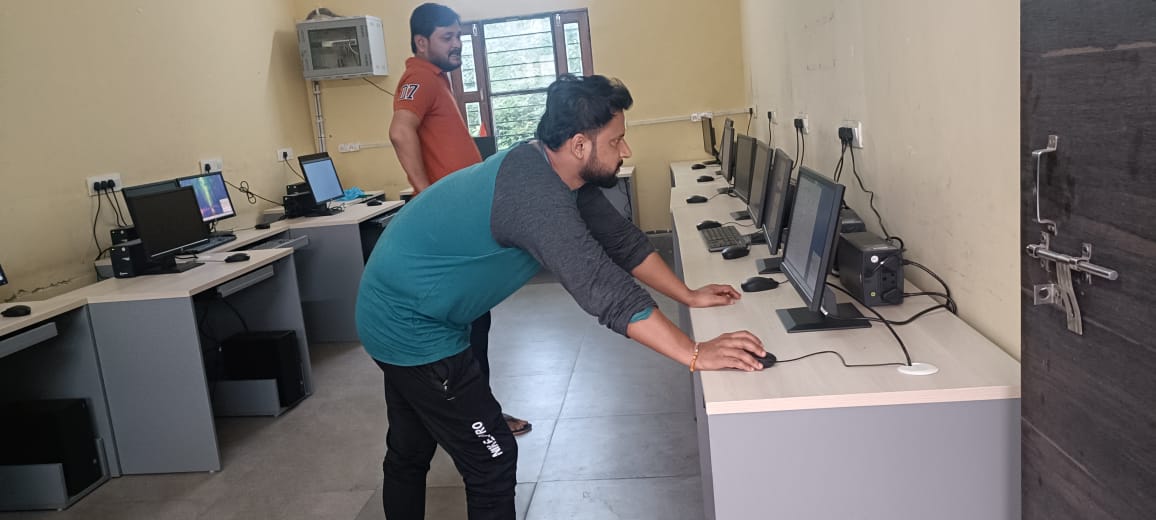
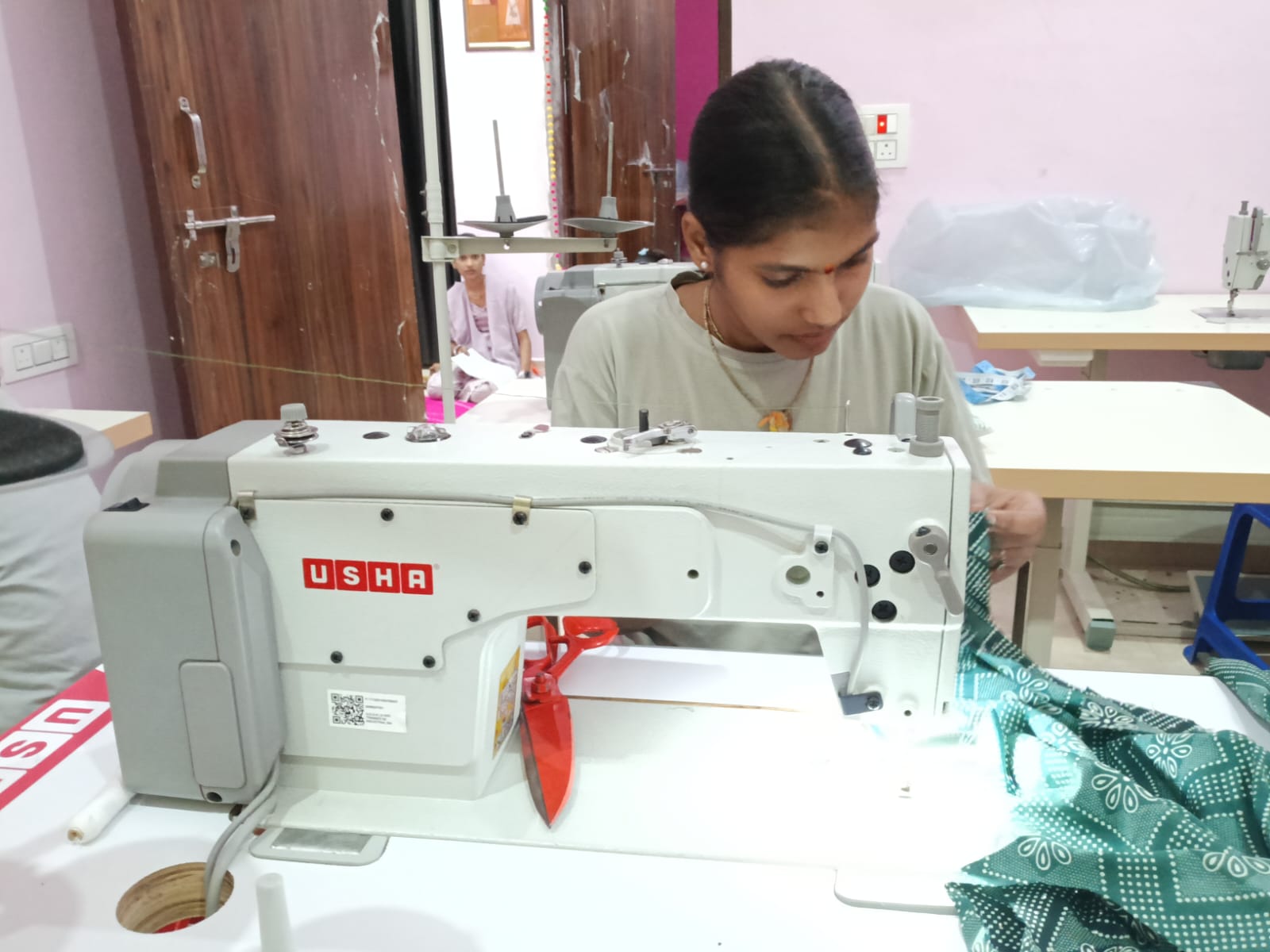
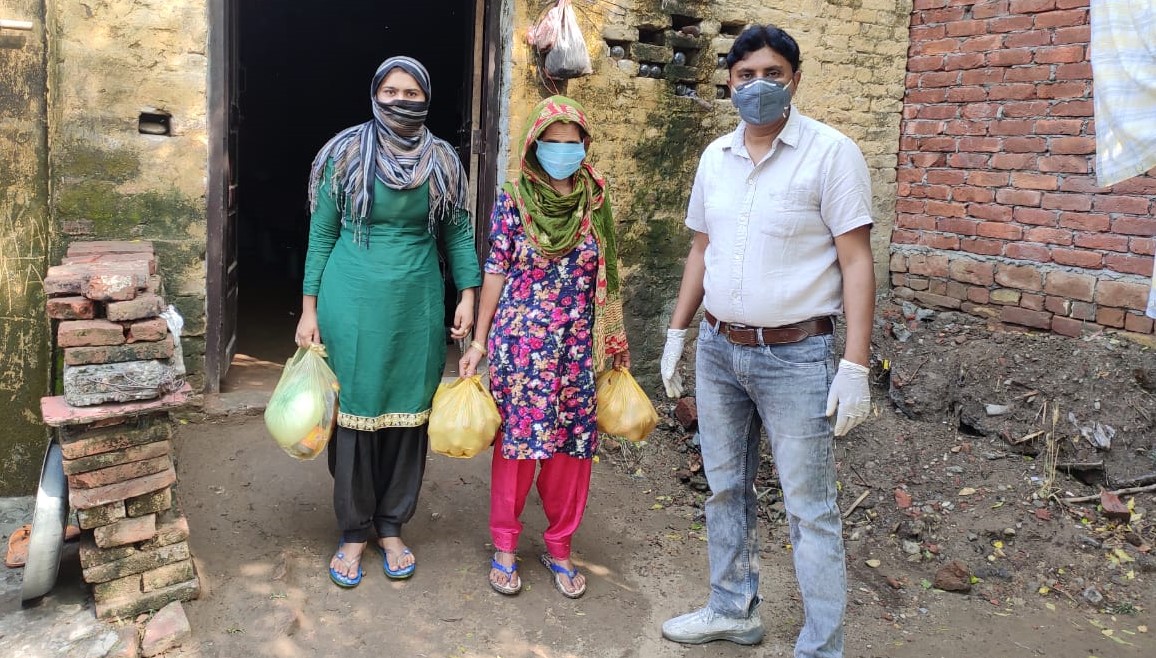
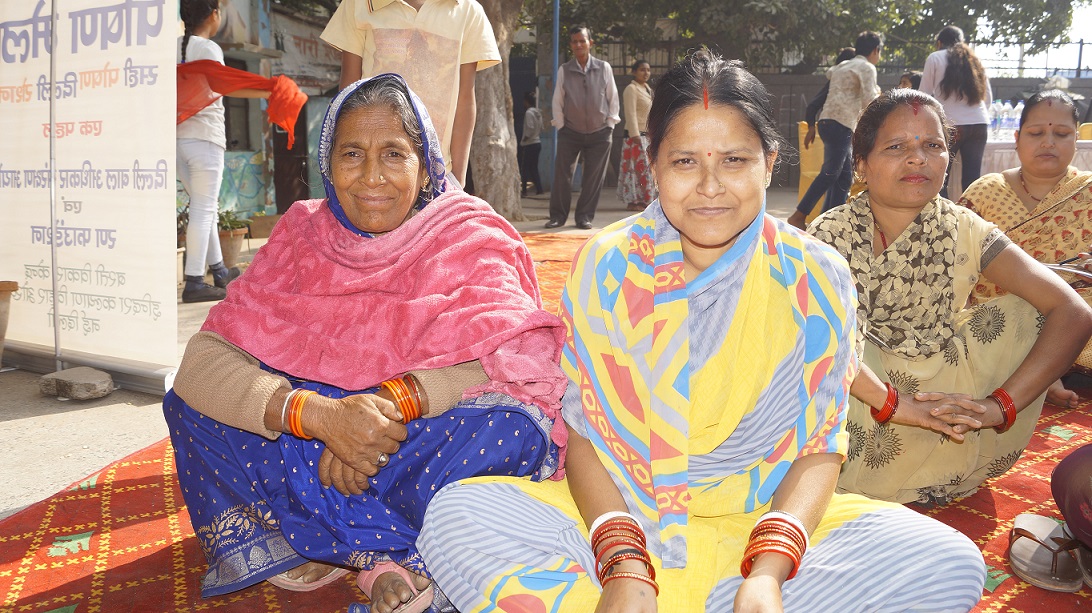
Project PANKH is a community-driven menstrual health and hygiene initiative designed to improve the health, dignity, and well-being of adolescent girls and women in rural communities. The project adopts a holistic approach by combining awareness, education, behaviour change communication, and access to menstrual hygiene products. Working closely with schools, Anganwadi centres, village institutions, healthcare workers, and local community leaders, the project creates a supportive ecosystem where menstruation is openly discussed, myths are challenged, and girls are empowered to manage their menstrual health safely and confidently. The project also builds the capacity of frontline workers and community volunteers to ensure sustained outreach and local ownership.
Project PANKH has significantly improved menstrual health awareness and hygiene practices among adolescent girls and women in the intervention areas. Participants have demonstrated increased knowledge about menstrual hygiene management, greater confidence in discussing menstrual health issues, and improved adoption of safe hygiene practices. The project has contributed to reducing stigma and misconceptions associated with menstruation while encouraging greater family and community support. Improved awareness has also led to better health-seeking behaviour, increased school attendance among adolescent girls during menstruation, and enhanced self-confidence and dignity. By creating informed communities, Project PANKH is helping girls and women make healthier choices and participate more actively in education and community life.
The sustainability of Project PANKH is built on community ownership and capacity building. The project strengthens local systems by training teachers, Anganwadi workers, ASHA workers, and community volunteers who continue awareness activities beyond the project period. Menstrual health education is integrated into regular school and community meetings, ensuring continuous knowledge dissemination. Community-based awareness champions encourage open dialogue and support behaviour change within families. Partnerships with local government departments, educational institutions, healthcare providers, and CSR partners further strengthen long-term programme continuity. Through sustained community engagement and local leadership, Project PANKH aims to create lasting improvements in menstrual health, gender equality, and the overall well-being of women and girls.